I spent two weeks trying to pick between these two cameras. However, two full weeks. My browser had forty tabs open — forums, YouTube comparisons, spec sheets, a midnight spreadsheet my wife laughed at. The Viofo A229 Plus and the A229 Pro look identical, sit a meaningful chunk of money apart. In addition, the internet could not agree on which one to buy.
So here is the post I wish somebody had written for me back then. The short version: I bought the Plus. Not because the Pro is bad — it isn’t. In addition, for some of you it’s the right call — but because of where I park my car. What follows is what I learned.
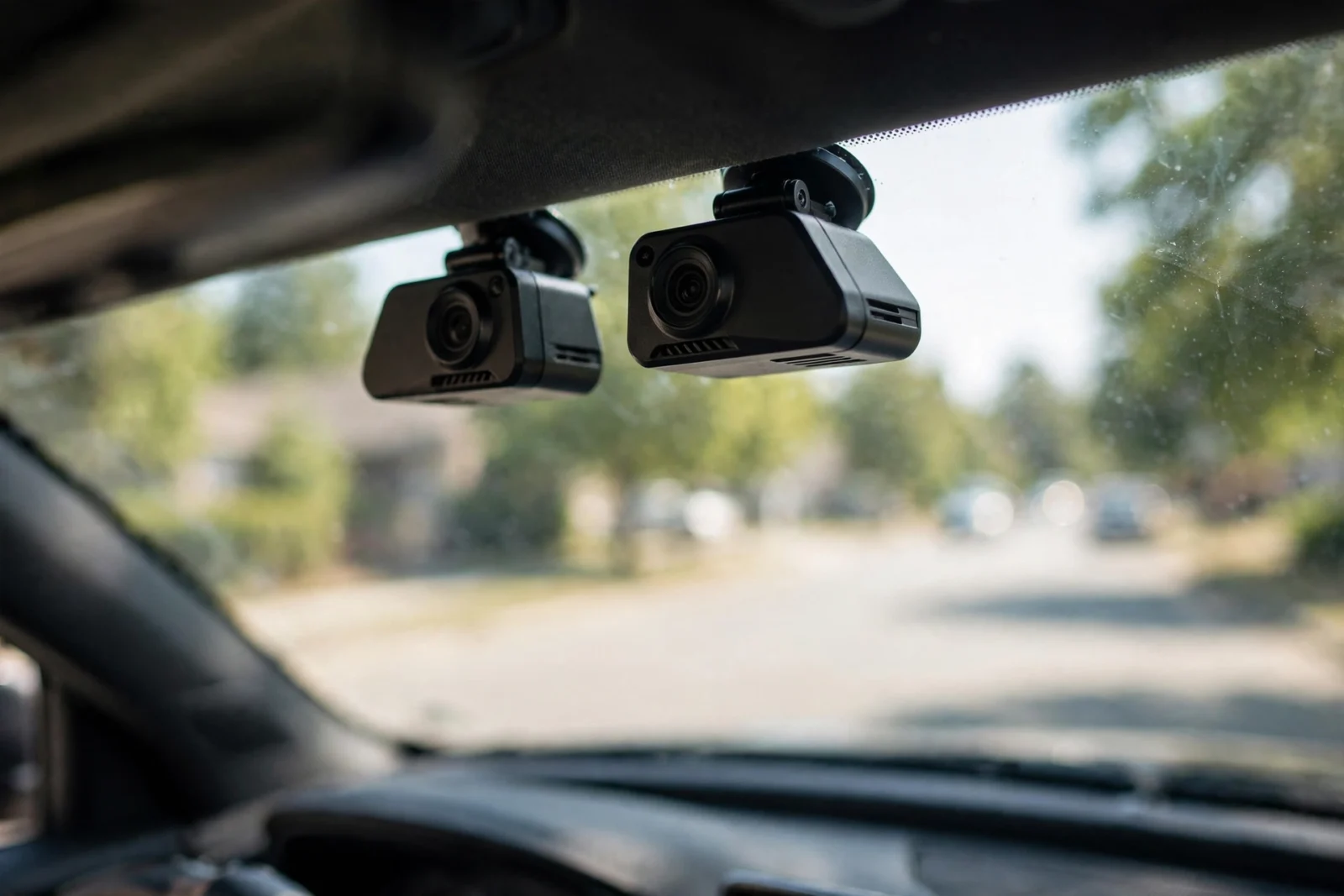
Both sit at the top of Viofo’s lineup, record front and rear simultaneously, and share the same shell and accessories. The entire debate lives inside — different sensors, different heat.
The Quick Verdict
Here’s the verdict I now give friends who ask:
However, the A229 Plus — what I bought, and what I’d recommend to most people. For example, its front camera shoots 2K Quad HD, and it reads plates cleanly in the situations that actually happen — intersections, traffic jams, the parking-lot bump. It also runs noticeably cooler than the Pro, which mattered more to me than I expected. For example, it costs less, too, and I put the difference straight into a bigger high-endurance memory card.
In addition, the A229 Pro — for detail-maximalists. In addition, i almost bought it. Furthermore, twice. 4K up front means finer evidence: distant plates, small road-sign text, faces across parking lots. Moreover, the price of that detail is heat — so this is the camera for mild climates, shaded parking, garaged cars. Furthermore, if that describes your life, the Pro is arguably the better camera. Moreover, i just don’t live that life.
Table: Viofo A229 Plus vs Pro — the differences that matter
| Feature | A229 Plus | A229 Pro |
|---|---|---|
| Front video resolution | 2K Quad HD | 4K Ultra HD |
| Rear video resolution | 2K Quad HD | 2K Quad HD |
| Image sensor generation | Sony STARVIS 2 IMX675 (front and rear) | Sony STARVIS 2 IMX678 (front), IMX675 (rear) |
| Heat output | Lower — runs cooler | Higher — 4K processing runs hot |
| Best climate | Hot climates, sun-baked parking | Mild climates, garaged cars |
| Typical buyer | Value seekers, hot-weather drivers | Evidence-maximizers, detail chasers |
| Memory card requirement | High-endurance U3 card | High-endurance U3 card (larger size advised) |
What the Plus and Pro Share
The realization that finally shrank my forty tabs down to a decision: most of the camera is identical. Same body, same accessories, same dual-channel setup with the rear camera in the box. Add the optional hardwire kit and either one delivers buffered parking mode, capturing the seconds before and after an impact while you’re parked. Built-in GPS stamps speed and location onto the footage, strengthening it as evidence. Both connect to Viofo’s phone app over Wi-Fi for live view, settings, and clip downloads. Both announce status out loud, so no decoding blinking LEDs. Neither uses a lithium battery — supercapacitors handle windshield heat better.
Once that sank in, the decision got much smaller. It stopped being “which camera” and became two questions: how much front resolution do I need, and how hot does my car get?
Resolution: Where the Real Difference Lives
This is where I burned most of my two weeks. Half the forums treat 4K like a religion, the other half like a scam. The truth is duller than both.
What 4K gives the Pro
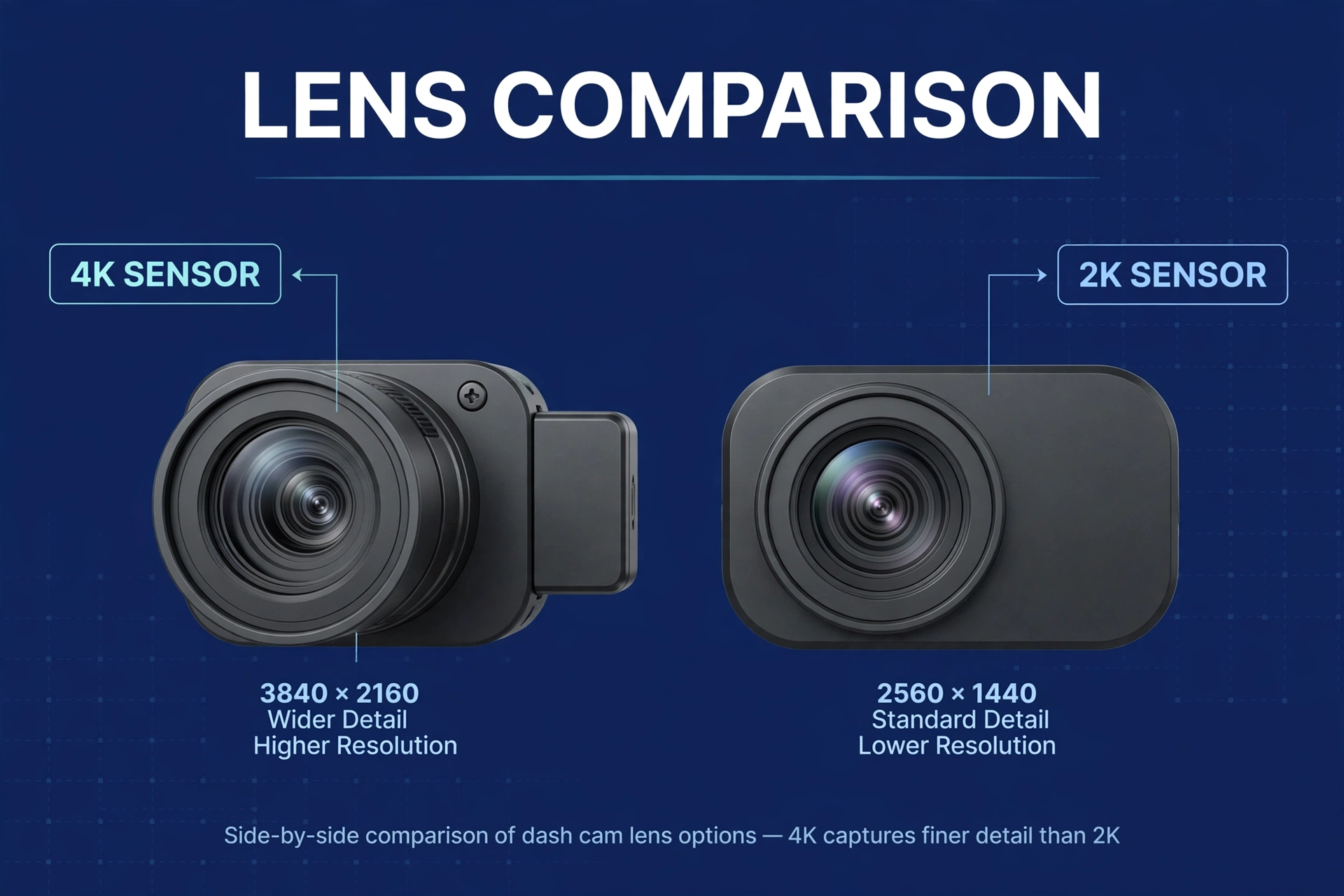
I almost bought the Pro because of a YouTube video. A guy zooms into 4K footage of a parking lot and reads a plate from what looked like a quarter mile away. Genuinely impressive — and it’s real. The Pro resolves fine detail the Plus smears away: a plate two car lengths ahead, text on a distant road sign, a face across a parking lot. Picture the hit-and-run where the only evidence is a plate glimpsed at distance. Those extra pixels aren’t bragging rights; they’re the difference between usable footage and a shrug. One caveat from the forums — compare real 4K sensors, not marketing badges. Our breakdown of true 4K dash cams shows how, and it’s worth sixty seconds.
What 2K gives the Plus
What talked me off the 4K ledge: “2K” is not an insult. Quad HD is a genuine leap over 1080p — my own footage confirms it reads plates cleanly in the situations behind most real incidents: intersections, stop-and-go traffic, parking bumps. That’s what most insurance claims get decided on. The Plus also runs cooler and writes smaller files, which quietly means longer recording history on the same card. More days back, same card. I didn’t care about that until a stranger on the internet pointed it out.
The honest middle ground
The comment that finally ended my two weeks came from a forum regular with thousands of posts. He said: in daylight, at normal following distances, on a phone screen — you cannot tell them apart. The difference lives at the margins — distance, darkness, digital zoom. So the question became “what does my driving actually look like?” Mostly daytime commuting? The Plus captures everything that matters. Driving for a living, or chasing the best evidence this class can produce? Then the Pro earns its price. I drive a commute. I bought the Plus.
Heat: The Difference Nobody Advertises
This is the section that decided it for me, and it’s the one nobody puts in the headline.
My car sits in an open lot, all day, all summer. The first July after I installed the Plus, I touched the camera getting in and it was hot — properly hot. And that’s the cooler-running model. Also, processing 4K video generates real warmth, and the Pro runs noticeably warmer than the Plus during long recording sessions. First, in mild weather, a non-issue. But a car parked in direct sun, day after day? That’s where it becomes the difference between a camera that keeps recording and one that shuts itself down to protect its electronics.
My rule: car bakes in the sun every summer? Get the Plus. Garage or mild climate? The Pro’s heat never matters, and the 4K detail is essentially free.
Night Performance Compared
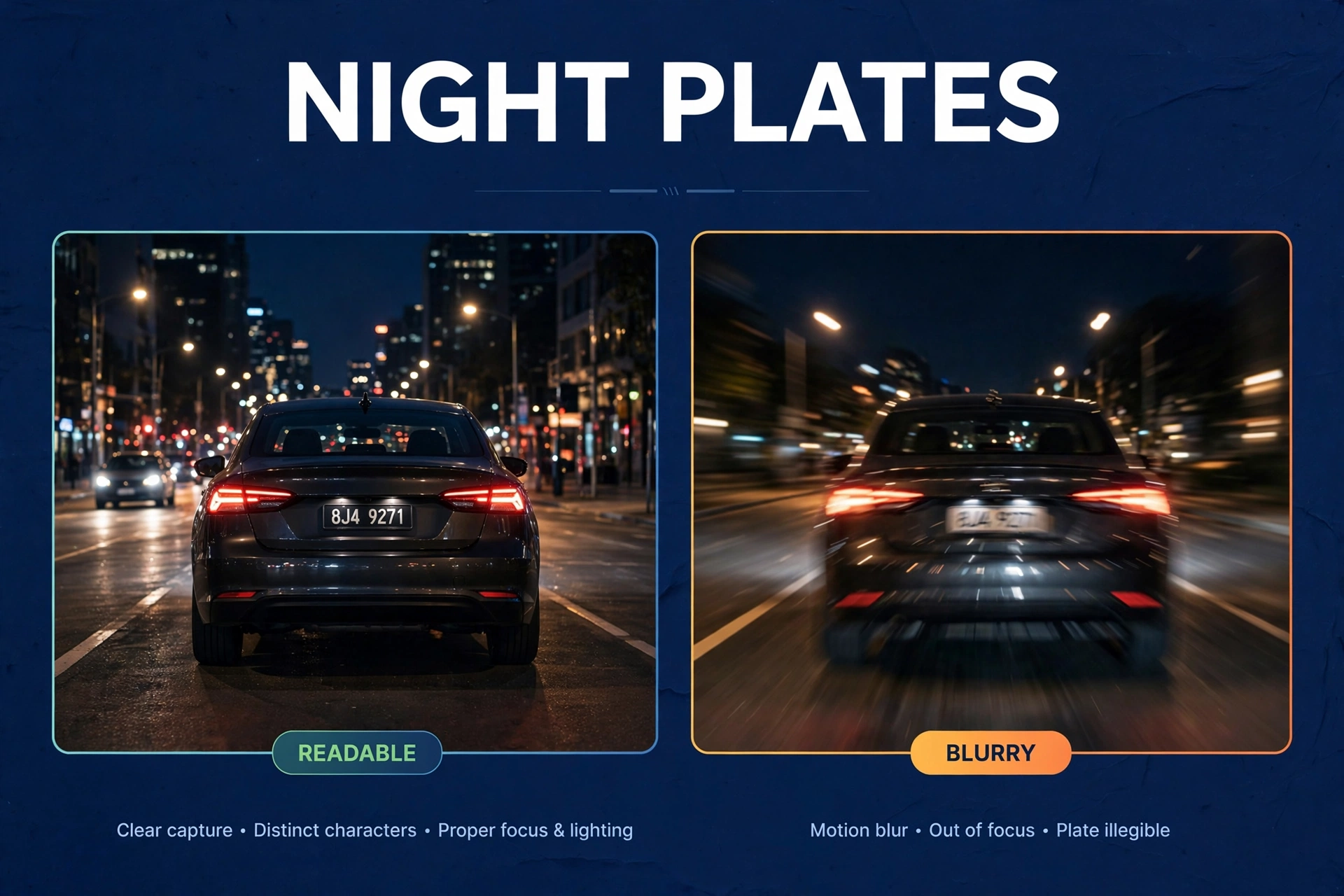
I did most of my test drives at night, because that’s when I drive. Both cameras run modern Sony STARVIS 2 hardware — the IMX675 in the Plus, front and rear, and the larger IMX678 in the Pro’s front camera. That generation is the current sweet spot for night dash cam footage. On well-lit streets, both are excellent — plates read cleanly, colors stay natural. Out on dark rural roads, the Pro’s 4K sensor pulls slightly more detail from the shadows, though the gap is smaller than the resolution numbers suggest. After dark, sensor quality beats pixel count. That’s just how light works. Oncoming headlights? Both handle glare reasonably thanks to HDR processing. A wall of LED high beams, though? Nobody’s cracked that one.
If night driving eats most of your miles, read our best dash cam for night driving guide first — sensor choice matters more than the badge.
The Memory Card Warning (Read This Before You Buy)
I nearly learned this one the expensive way. Nearly.
The mistake that ruins more Viofo footage than anything else isn’t the camera. Second, it’s the card. Finally, a regular microSD card in a dash cam writes video constantly, and that workload kills standard cards in months. Meanwhile, the nasty part: when the card dies, the camera often keeps “recording” to nothing. Everything looks normal. You only discover the truth when you go looking for footage that was never written. A forum member described this after a fender-bender; I ordered a proper card that night.
So: a high-endurance card from a reputable brand, U3 speed class or better. With the Pro’s 4K bitrates, go bigger than your instincts say — 256GB is the sensible starting point, not the splurge. Format the card in the camera itself, never on your computer, and reformat it every few months as maintenance. Our best SD card for dash cam guide covers exactly which cards survive dash cam duty and why the rest don’t. The card matters more than the camera choice.
Who Should Buy Which?
Start with your climate — before resolution, before price: where does your car spend its days? Baking in the sun, summers that warp dashboards, mostly daytime commuting? That’s the Plus. That was me. The money you save buys the bigger memory card and the hardwire kit you’ll want anyway.
Now the other direction. Nevertheless, maybe your nightmare scenario is a distant plate in a hit-and-run. In fact, maybe you drive for a living — rideshare, delivery — and footage is income protection. Maybe you park in shade or a garage, somewhere mild, and heat is a problem other people have. Then the Pro. You want 4K, you’ve accepted the warmth, and the detail is worth it to you. A friend of mine is exactly this buyer — he bought the Pro ,and he’s delighted. We’re both right.
The dark horse: the older A129 Pro Duo, Viofo’s previous generation. Find one heavily discounted, don’t care about the newest sensors or the refined parking mode? It’s still a capable camera. But at similar prices, the A229 generation is simply the better buy — newer sensors, better parking behavior. Easy call when the money’s close.
Setup Tips for Either Model
Whichever you buy, the install matters as much as the model.
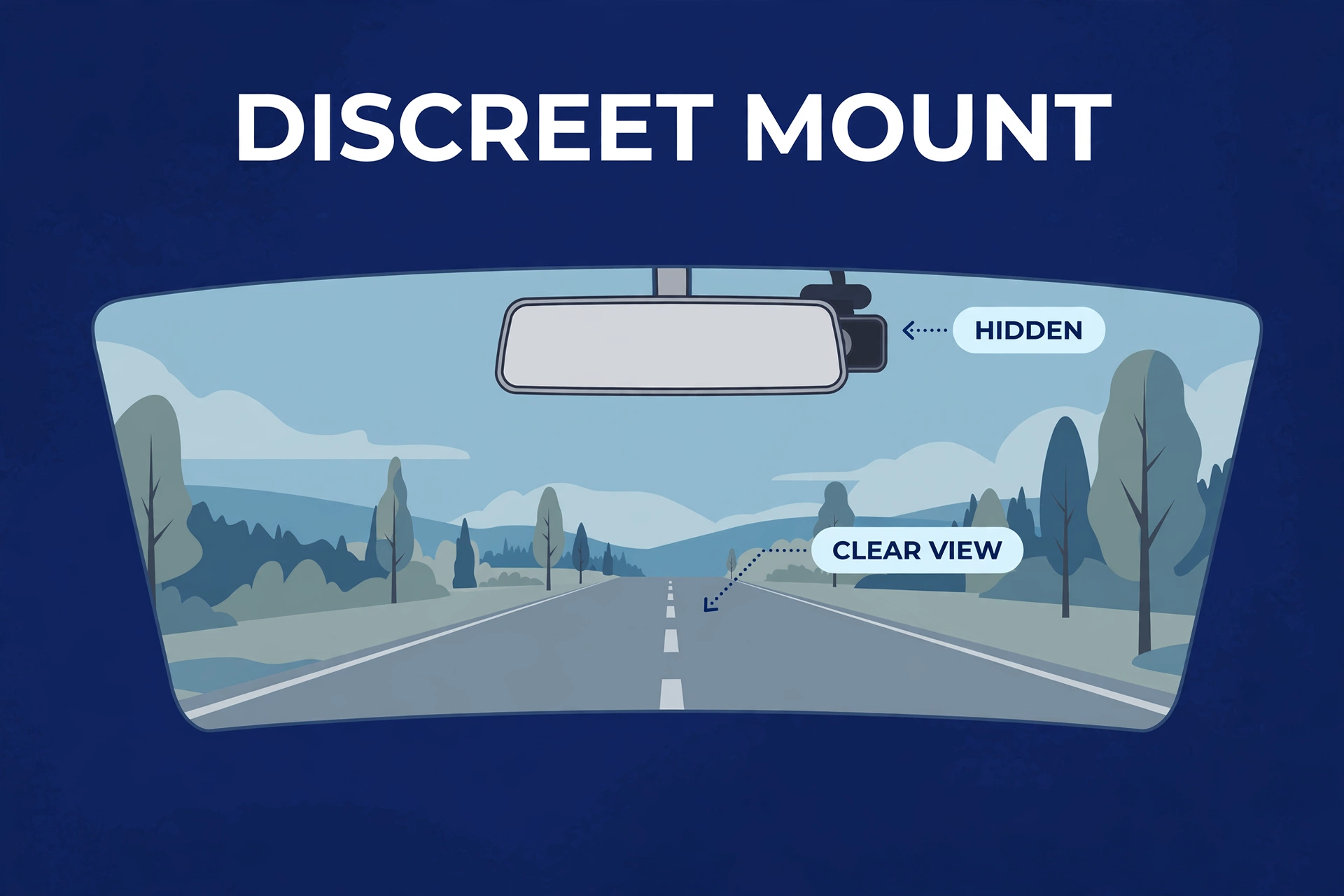
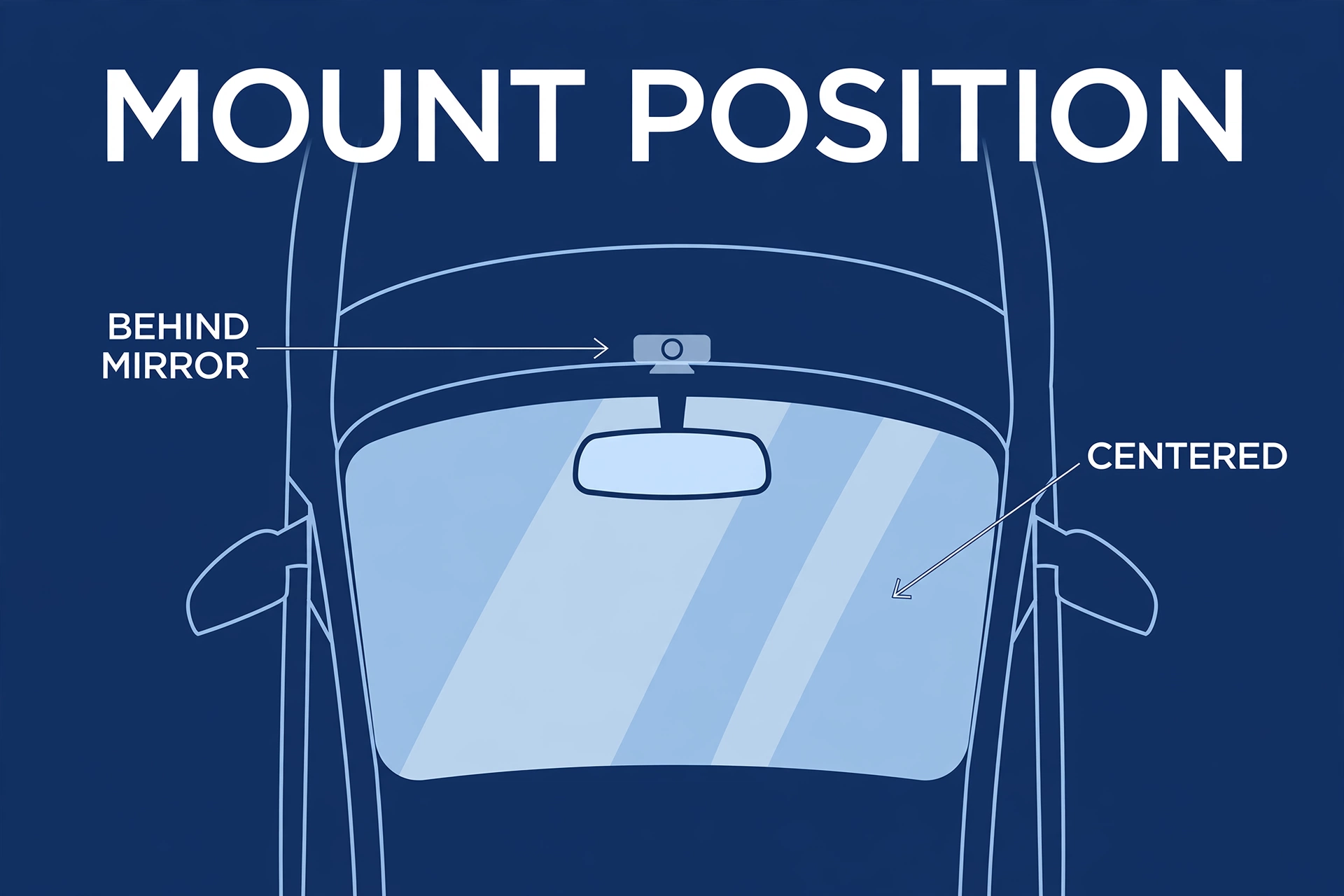
Mounting first: high and centered, right behind the rear-view mirror from the driver’s view. As a result, the camera never enters your line of sight. As a result, aim slightly downward — about 60% road, 40% sky is the classic framing. I spent twenty minutes on this with the live view open on my phone and felt ridiculous. It was worth it. That ratio keeps plates in frame and stops a bright sky blowing out the exposure.
Parking mode needs the hardwire kit, full stop. Your 12V socket dies with the ignition on most cars, and parking surveillance needs fuse-box power with a voltage cutoff — which is exactly what the HK4/HK6 kit provides. Then firmware: Viofo quietly improves parking-mode behavior and image tuning after launch, so check Viofo’s official site for the latest firmware for your exact model. Not “close enough” — your exact model. And the step everyone skips: test before you trust. Drive for twenty minutes, pull the card, watch the footage on a computer. Plates readable, day and night? Then the install is done. If not, you want to know now — not after the incident.
Viofo A229 Plus vs Pro FAQs
Is the Viofo A229 Pro worth the extra money over the Plus?
If you’ll actually use the extra detail — rideshare and delivery drivers, anyone whose worst-case scenario is a distant hit-and-run plate — yes, and I nearly bought it myself for exactly that reason. For normal daylight commuting, the Plus captures everything that matters and runs cooler while doing it. Match the camera to your driving, not the spec sheet.
Do both come with the rear camera in the box?
Yes, both — I checked three times before ordering. The Plus and the Pro ship as dual-channel bundles with the rear camera included, so there’s no separate purchase hiding in the fine print. Driving something larger? Check the accessories listings — there’s a longer rear-camera cable option for bigger vehicles.
Which one is better for hot climates?
The Plus, clearly — and this is the question that decided my purchase. Less processing load means less internal heat stacked on top of cabin heat. Simple physics. In extreme heat, pair either model with a sunshade habit. And the reminder nobody wants to hear: no dash cam on earth loves a 70°C cabin.
Can I use the same hardwire kit for both?
Yes. Both models use the same Viofo hardwire kit (HK4/HK6) with an adjustable voltage cutoff, so the parking-mode setup is identical on both. One heads-up from my own install: the kit is sold separately from the camera on both models, so budget for it. I forgot. Don’t be me.
How much footage does the memory card hold?
It depends on resolution and card size — and the Pro’s 4K files are much bigger than the Plus’s 2K files, so the same card holds noticeably fewer hours on the Pro. Loop recording overwrites the oldest unlocked footage by itself; the real question is how many days back you can reach. Bigger card, longer history. I went 256GB and stopped thinking about it.
Should I wait for the next model instead?
I asked myself this for a full week. Dash cams iterate slowly, and the A229 generation is current. Unless a successor gets officially announced with a feature you specifically need, buying now means you’re protected now. A camera sitting in its box protects nobody — least of all you. I bought mine on a Tuesday and installed it that weekend.
App, Firmware, and the Ownership Experience
Specs win comparisons; the app is what you live with. It handles the basics well: live view for aiming the camera during setup, settings changes without squinting at tiny physical buttons, pulling clips onto your phone over Wi-Fi. One honest note, though — downloading a long 4K clip over Wi-Fi is slow. On both models. For anything that genuinely matters, pull the card and copy the file directly — faster, and the original file stays untouched.
Firmware updates are worth doing. In contrast, Viofo keeps refining parking-mode behavior and image tuning after launch. In addition, both the Plus and the Pro have picked up genuinely meaningful updates over their lives. Check the version in the app every few months. One caution after any update: reset your settings to defaults and reconfigure from scratch. In fact, carried-over settings from old firmware cause more weird behavior than the updates themselves.
Finally — where to buy. Similarly, dash cams have a genuine counterfeit and grey-import problem on marketplaces. I bought from Viofo’s official store so the warranty is real. A discount from some random third-party seller isn’t a discount if warranty support evaporates the moment you need it. Keep your receipt. Register the product if the option exists.
Look — I spent two weeks on this decision so you don’t have to. Specifically, the Plus-vs-Pro question has no wrong answer. However, both sit among the most recommended dual-channel cameras in the business for a reason. To see how they stack up against the wider field, browse our roundup of the best front and rear dash cam picks. The actual wrong answer is analysis paralysis. Every week without a camera is a week of driving unprotected. Pick the one that fits your climate and your evidence needs, install it this weekend, and get on with driving.