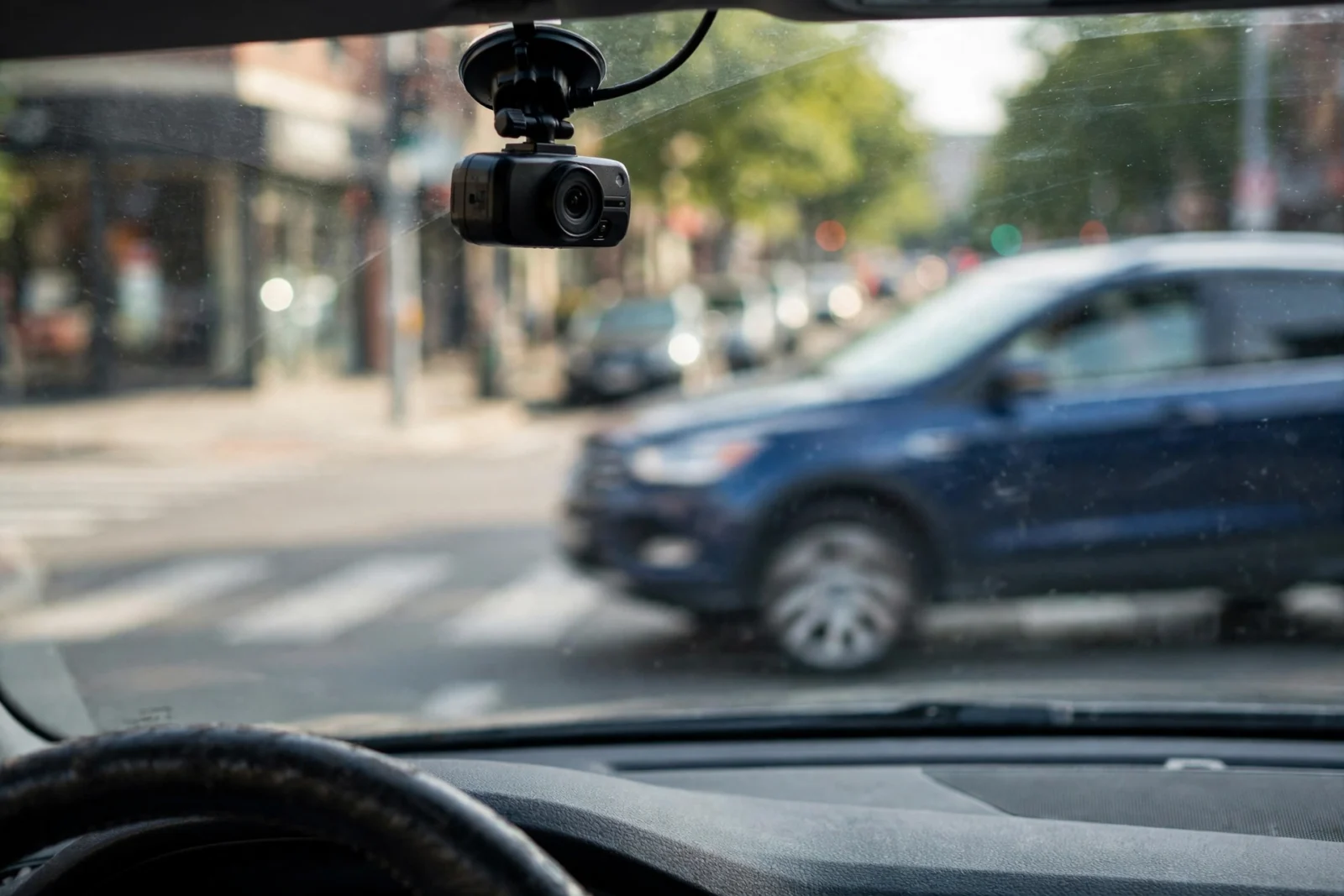
Yes — for most drivers, a dash cam is worth it.
A decent camera costs less per year than one tank of fuel. Meanwhile a single disputed fender-bender — just one — can cost thousands in repairs, your deductible. In addition, the insurance rate hike that follows for years. The math isn’t close.
But — and there’s always a but — “worth it” still hinges on two things: what you buy, and what you expect it to do. So let’s do this properly: the real costs, the insurance question everybody asks, the legal fine print, and the situations where a dash cam genuinely will not save you. Facts first. Sales pitch never.
The Real Math: What a Dash Cam Costs vs What It Saves
Here’s the arithmetic no advertisement will ever show you. A solid dual-channel dash cam, a hardwire kit, a high-endurance memory card — buy it all once, and it rides shotgun for years. Stretch that cost over a conservative three-year lifespan and you’re spending pocket change per year. Less than your monthly coffee habit. Honestly? Less than your weekly coffee habit, if we’re being real about it.
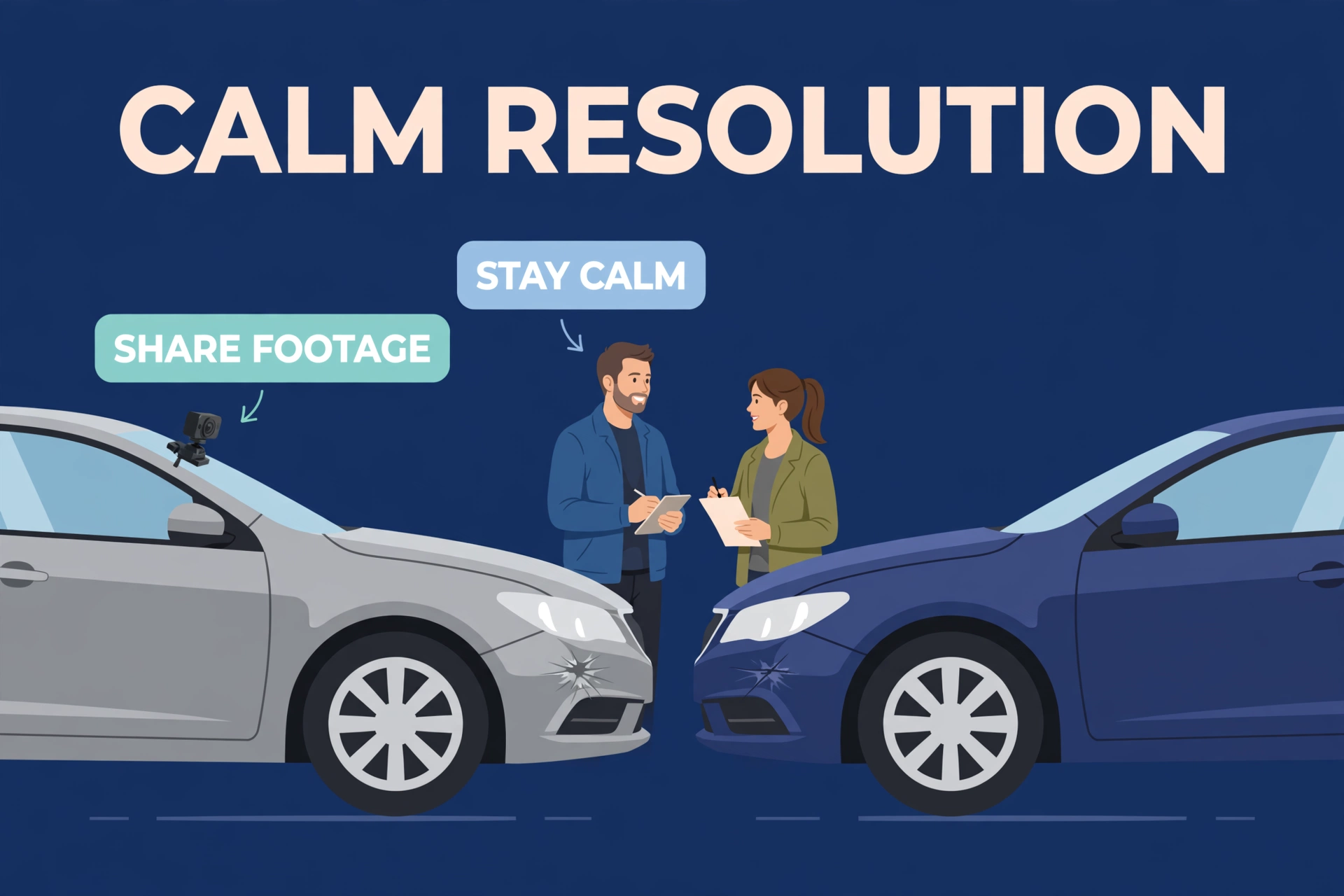
Now flip the ledger over. However, picture one disputed fender-bender. For example, you know the type — the other driver suddenly remembers the whole thing very differently than you do. However, there’s the deductible, for starters: cold hard cash out of your pocket before insurance covers a thing. Then the rate hike, which is the real killer. An at-fault claim squats on your record and inflates your premiums for years. In addition, dodge one bogus claim and the camera has paid for itself several times over in premiums alone.
And that’s just the insured stuff. In addition, hit-and-runs. Furthermore, parking-lot scrapes with no note on the windshield. Somebody keying your door at 2 AM because they had a bad day. No footage, no witnesses? Every cent lands on you. Then there’s the unpriced cost: your time and sanity. Disputed claims drag on for months of phone calls and paperwork. Moreover, timestamped video tends to end the argument in days. Also, anyone who’s lived through both will tell you which they’d pick.
Add it all up and the break-even point lands somewhere around one incident per decade of driving. Most drivers go years between collision claims — and parking incidents are far more common than actual collisions anyway. Most owners come out ahead, usually by a lot. Our roundup of the best front and rear dash cam picks shows what that protection actually costs at every budget level.
Do Dash Cams Lower Insurance?
The most asked question in this entire niche. And the answer is… it depends.
Annoying, I know — but the nuance matters.
Direct discounts? Moreover, they exist. Also, rarely. First, a handful of insurers in various markets advertise dash cam discounts — usually floating somewhere in the 5–15% range. First, the catch: these programs appear and vanish like seasonal menus, and most major insurers simply don’t have a standing dash cam discount on the books. So please — please — don’t buy a camera expecting a guaranteed premium cut. Call your insurer first. Five-minute phone call. Ask outright.
The real insurance value, though, is indirect — and bigger than any discount.
Second, disputed claims — that’s where the money is. Somebody runs a red light, clips your quarter panel, then swears blind that you ran it. Second, without footage, that’s a 50/50 “word versus word” standoff — and guess who eats it. Finally, with footage? Case closed. Finally, that protects your no-claims bonus, which compounded over the years is worth dramatically more than some 10% gadget discount ever could be.
Then there’s the sleeper benefit nobody talks about: fraud protection. Meanwhile, staged accidents — the “swoop and squat” rear-end scam, pedestrians hurling themselves at slow-moving cars — collapse the instant there’s video. Insurers know this cold. It’s why plenty of them quietly encourage dash cams without any formal discount program.
Bottom line? Buy the camera for the evidence. Treat any discount as a happy little bonus. Tell your insurer you’ve got one — worst case, they say no.

Are Dash Cams Legal?
Short version: in most places, yes. Longer version: yes, with a few nuances worth knowing.
Video recording while driving
Recording video of public roads is legal across the US, the UK, the EU, and most everywhere else. Anything visible from a public road can generally be recorded — that’s been settled in most places for ages. What a few jurisdictions do fuss about is placement. Windshield obstruction rules. The fix is trivial: tuck the camera behind the rear-view mirror, keep it clear of the swept wiper area where that’s required, and you’re golden.
Audio recording
Here’s where it gets spicy. A dozen or so US states require all parties to consent to audio recording. Cruise through one of those states with cabin audio rolling and, strictly speaking, you should either kill the audio or make sure your passengers know the mic is hot. Video-only recording sidesteps the entire mess almost everywhere. When in doubt, mute it.
Sharing footage
Posting someone’s plate or face online — different game entirely. Depending on your country, that can raise genuine privacy issues. The EU’s GDPR, for example, treats identifiable footage as personal data, full stop. For insurance claims and police reports, footage is straightforwardly fine. For YouTube glory? Blur the plates and faces unless you’ve actually checked your local rules.
Workplace and commercial vehicles
Driving for work changes the equation, because now your employer’s policy is the boss. Plenty of fleets mandate cameras. Some restrict them. Either way, have the conversation before you stick anything to a company windshield — not after.
See the pattern? Video of the road: broadly fine, everywhere. Audio and publishing: worth thirty seconds of thought. The lazy-safe default — video on, audio off — keeps you out of trouble almost everywhere.
Will a Dash Cam Void My Car Warranty?
Nope. Not with a normal installation, anyway.
Meanwhile, a dash cam sipping power from the 12V socket doesn’t touch a single thing your warranty cares about. And a hardwire kit? Nevertheless, fuse taps don’t cut, splice, or modify factory wiring — they just borrow power from an existing fuse slot. Under Magnuson-Moss principles in the US (with equivalent consumer protections in most other markets), a manufacturer has to actually prove your modification caused the failure before denying a claim. In fact, your little fuse tap did not cause the transmission issue.
Keep the install tidy and reversible, hang onto the kit receipt, and any warranty conversation gets dramatically shorter.
Edge cases exist, sure. A sloppy hardwire install drains the battery, the dealer can prove it, and suddenly a battery claim gets awkward. Leased cars sometimes carry stricter modification clauses, so read the lease before touching anything. But for everyone else? Non-issue.
Supercapacitor vs Battery: The Spec That Decides Lifespan
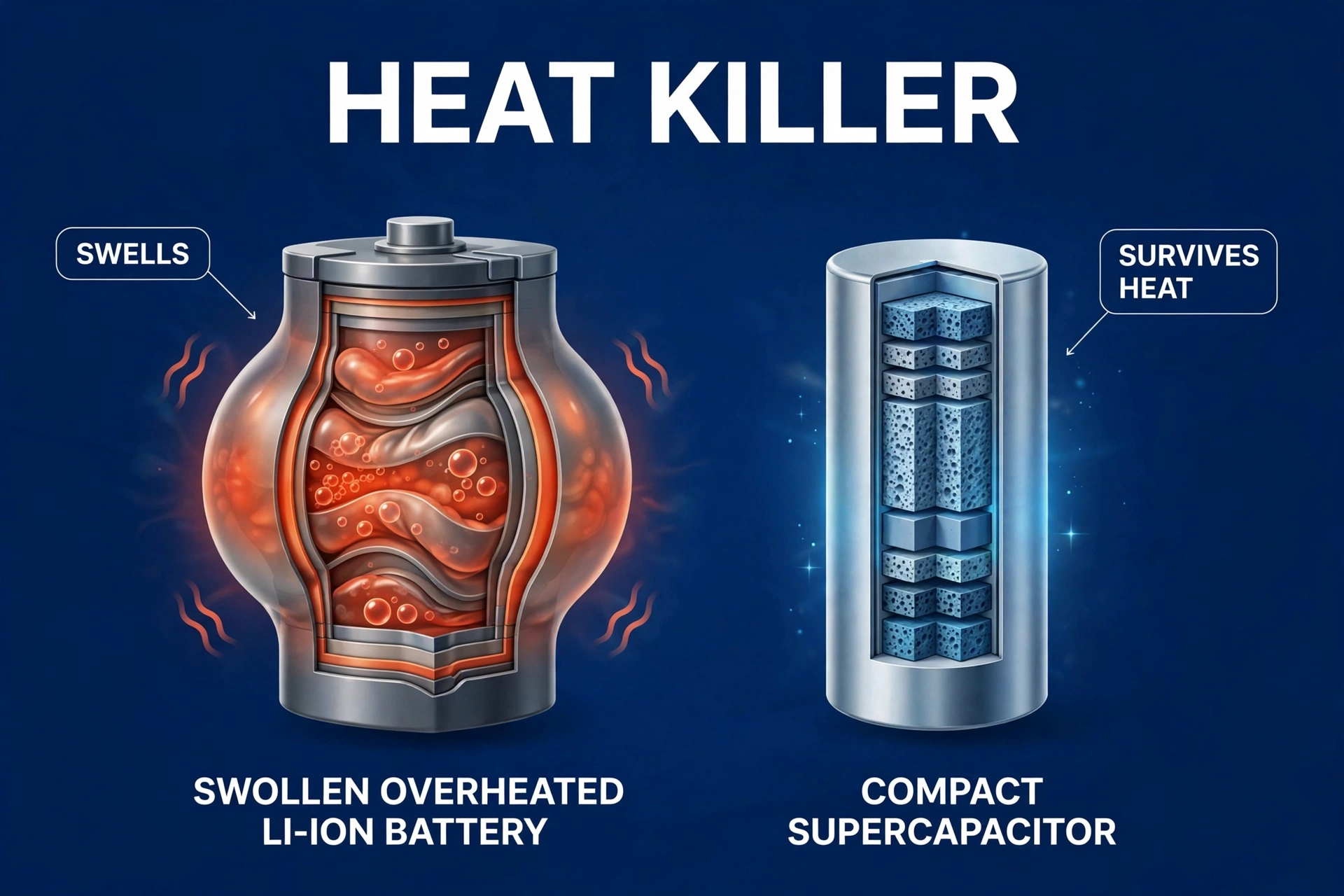
If you absorb one technical lesson from this article, make it this: heat is the number one killer of dash cams, and the power source decides how well a camera survives it.
As a result, why does a dash cam even need stored power? As a result, one small job: finishing the current video file when you kill the ignition. In contrast, without a few seconds of reserve power, the last clip corrupts. Similarly, every single time you turn the car off. Manufacturers solve this two ways. They are not equal. Not even close.
The cheap way: a lithium battery. Specifically, inexpensive to build with — and an absolute disaster on a hot windshield. However, all summer long it bakes. For example, swells. Degrades. Dies. Battery-powered dash cams have a thoroughly earned reputation for dying young in hot climates. Ask anyone in Arizona.
The right way: a supercapacitor. In addition, heat-tolerant. Furthermore, long-lived. Moreover, engineered for exactly this “finish the file and shut down gracefully” job. Sure, it holds less energy than a battery — but it doesn’t need much. Seconds of power, not hours. That’s the whole trick.
There is genuinely no contest here. Always choose a supercapacitor model. It is the single most reliable predictor of whether your dash cam survives its third summer. When you’re comparing models — including our best dash cam for night driving picks — treat the capacitor as a requirement. Not a nice-to-have. A requirement. Especially if you park in the sun.
When a Dash Cam Is NOT Worth It
Honesty demands the other side of the story. A dash cam is a genuinely poor buy in a few specific situations.
You barely drive. Also, if the car moves twice a month, your risk exposure is tiny, and the camera mostly ends up standing guard over an empty garage. First, the math just stops working.
You won’t install it properly. Second, be honest with yourself here. Finally, a camera rattling around in the glove box protects exactly nobody. Meanwhile, if you already know you’ll never hardwire it and never format the card — save your money. Seriously. No judgment.
In contrast, you’re eyeing the cheapest no-name unit. Nevertheless, a $20 mystery camera with a fake battery, no parking mode, and a regular memory card isn’t a bargain. It’s worse than nothing, because it hands you false confidence — and false confidence is the most dangerous kind. Similarly, either buy a real one or buy none at all.
Specifically, your car already has cameras built in. In fact, some newer cars ship with integrated camera systems that already cover this job — sentry-style recording, incident capture, the works. As a result, check what yours actually does before paying to duplicate it.
Notice what’s not on this list? “Good drivers don’t need one.” Good drivers are exactly who dash cams protect — from everybody else’s mistakes.
Getting the Most Out of Your Investment
Five things. That’s all it takes to squeeze the full value out of the camera.
However, buy dual-channel if the budget allows. In contrast, rear-end collisions are among the most common crashes on the road — and a front-only camera misses every single one of them. All of them! The rear lens pays for itself the first time someone kisses your bumper at a red light.
Hardwire it. Similarly, parking mode is where a huge share of the value hides: door dings, hit-and-runs, vandalism in the dead of night. Specifically, a socket-powered camera? Sleeps right through all of it. Dead to the world.
Use a high-endurance card, and format it monthly. However, your camera is only ever as reliable as its storage. For example, this one’s non-negotiable.
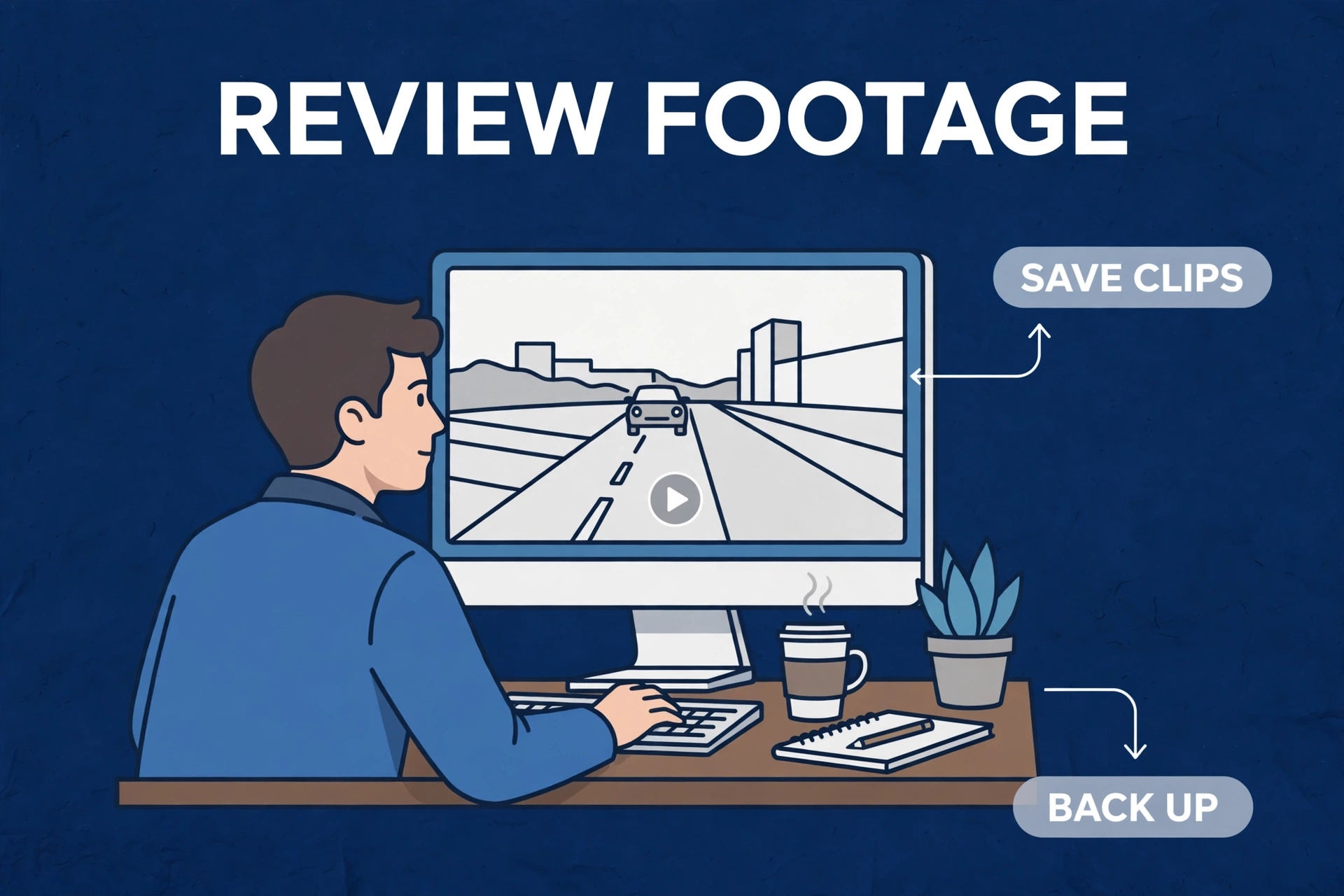
Lock and back up important clips immediately. In addition, loop recording does not care about your schedule. Furthermore, it’ll happily overwrite yesterday’s evidence to make room for today’s uneventful commute. After any incident — any at all — get that clip off the card the same day.
Check your footage quarterly. Moreover, two minutes, every few months. Also, that’s the whole maintenance ritual. Just enough to catch dead cards, mounts that drifted out of alignment, and settings that quietly changed themselves after a firmware update.
None of this is hard. Total maintenance burden: about ten minutes a month. In exchange you get a silent witness riding along on every single trip — including an explanation of what parking mode does for you while you’re nowhere near the car.
Convinced? What to Buy First
Okay, say this guide tipped you over the edge. Keep the first purchase dead simple: a dual-channel camera from a reputable brand, a hardwire kit, and a high-endurance card. That trio covers the overwhelming majority of real-world scenarios. Done. Money tight? Our best budget dash cam guide shows what you can get under $100 without buying junk. Install it this weekend. Every unprotected drive between now and then is a gamble you don’t need to take. And honestly? The peace of mind kicks in the moment that little red light blinks on.
Is a Dash Cam Worth It? FAQs
How long does a dash cam last?
Three to five years of daily use for a good supercapacitor model — that’s the realistic range. Heat does most of the aging, so cars that sleep in garages tend to squeeze out the longer end of it. One more thing people forget: the memory card wears out faster than the camera itself. Replace the card on schedule and the camera just keeps trucking. Battery-powered models age noticeably faster, which is yet another reason to favor supercapacitors for windshield duty.
Can dash cam footage be used in court?
Yes, in most jurisdictions — and it’s genuinely strong evidence. Timestamped, unedited video is the kind of thing that settles arguments fast, and courts accept it routinely. One tip that actually matters: keep the original file untouched. Edited or re-exported clips carry less weight, and opposing counsel knows it. Stash a backup copy somewhere safe as soon as you can after the incident.
Do I need front and rear, or is front enough?
Front-only covers the most common moving incidents — no argument there, and nobody sensible would call it useless. But rear-end collisions are extremely common, and a front camera sees precisely none of them. Zero. If the budget stretches even a little, dual-channel is the better buy. It’s also the setup insurers and police find most useful, for what that’s worth.
Will insurance give me a discount for having one?
Sometimes — but don’t bank on it. A few insurers offer dash cam discounts in that 5–15% range, but most don’t run any standing program at all. The bigger insurance win, as covered above, is winning disputed claims and protecting your no-claims bonus — that’s where the real money lives. Ask your insurer directly. Policies change.
Is it legal to record audio inside the car?
Depends on your state or country, genuinely. About a dozen US states require all parties to consent; elsewhere, one-party consent — you, the driver — is usually enough. The safe universal move? Disable cabin audio recording unless you’ve actually checked your local law. Two minutes of research beats an awkward legal conversation.
Can a dash cam get me in trouble instead?
Honest answer: footage is neutral. It shows what happened — including your own mistakes, if you made any. Speed everywhere, roll through stop signs, and yes, the camera documents all of that too, faithfully and without mercy. Drive normally and it’s purely your friend. It can’t invent fault that isn’t there.
Should I tell the other driver I have footage after an accident?
You’re generally not obligated to announce it at the scene — there’s no rule that says “declare your camera.” Standard advice, and it’s good advice: stay calm, exchange details like a civilized human, and share the footage with your insurer — and the police, if needed. Let the evidence speak through proper channels instead of roadside arguments.